Major Flag State Joins the International Hydrographic Organization
Published: 11/02/2026 - 13:47The global hydrographic community expanded in January 2026 with the accession of Panama to the International Hydrographic Organization (IHO), marking a significant milestone for international maritime cooperation. As one of the world’s major flag states and a strategic hub for global shipping, Panama’s membership is expected to strengthen hydrographic capacity and standards worldwide.
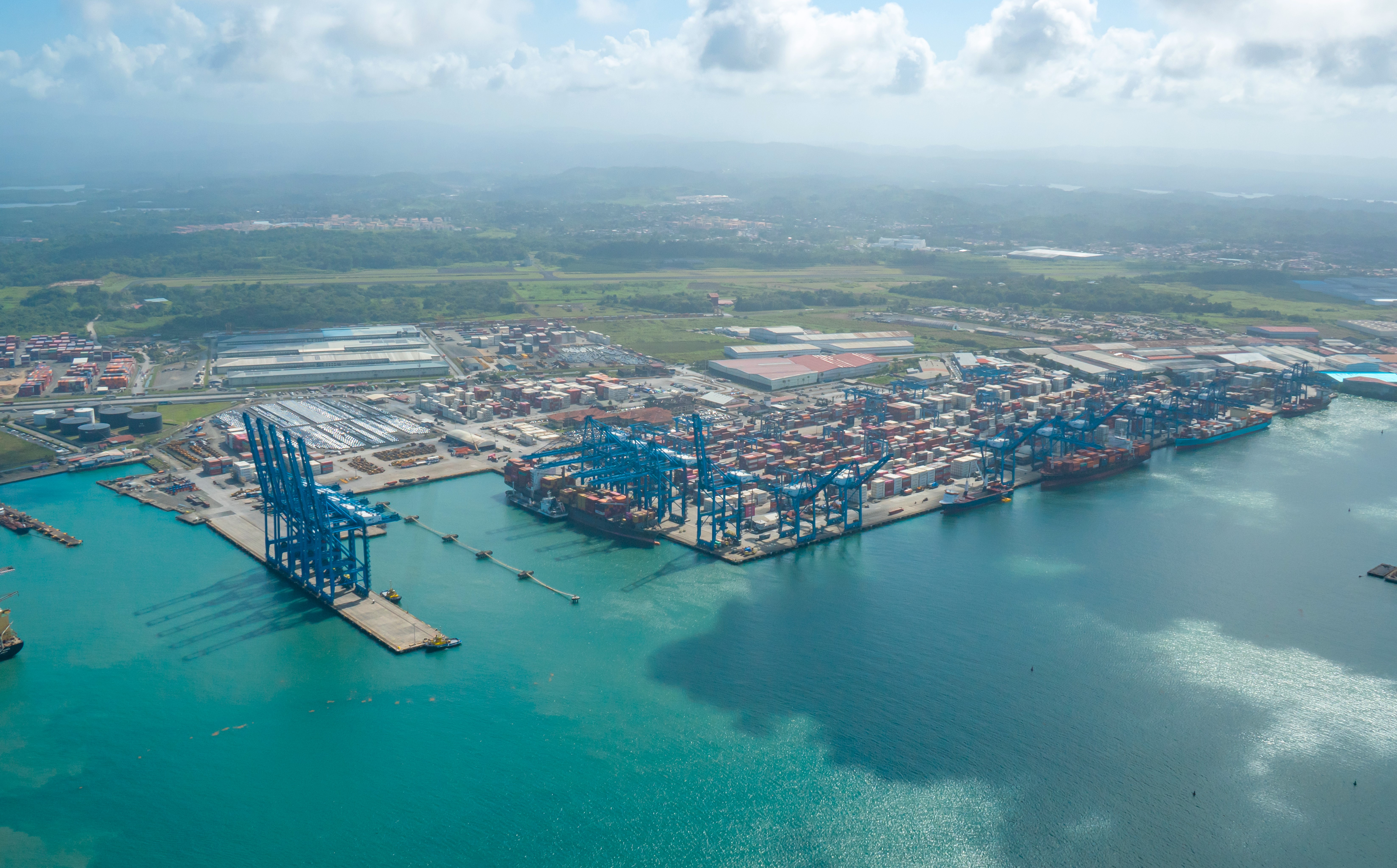
Panama has a coastline extending approximately 2,950 kilometres along both the Caribbean Sea and the Pacific Ocean, and an Exclusive Economic Zone covering nearly 210,000 square kilometres. The country plays a central role in international maritime trade through its 48 ports and the Panama Canal - an 80-kilometre interoceanic waterway connecting the Atlantic and Pacific Oceans that dramatically reduces global voyage times and supports a substantial proportion of world shipping.
Commenting on the accession, Luigi Sinapi, Director of the International Hydrographic Organization, highlighted the strategic importance of the move:
“Panama’s accession to the IHO is a significant milestone for the global hydrographic community. As a central hub of international navigation and steward of the Panama Canal, Panama’s full participation will enhance safety of navigation, improve charting quality, and strengthen maritime trade resilience. Its active engagement within IHO and regional bodies will deepen cooperation and technical exchange across the region. We look forward to partnering with Panama to advance modern nautical information services and support a safer, more interoperable maritime domain for all.”
Through its membership of the IHO, Panama will be able to contribute actively to the development and implementation of international hydrographic standards. These standards are essential for the safety of navigation, the protection of human life at sea, and the sustainable management and preservation of the marine environment. It will also be able to contribute to international initiatives in favour of ocean mapping along its coasts spanning two oceans, such as Crowd-Sourced Bathymetry and the Nippon Foundation GEBCO Seabed2030 project. Like all Member States, it will be able to benefit from IHO capacity development initiatives, enhancing its in-country expertise to address its ocean priorities. Panama aims to strengthen its national technical capacities to provide high-quality hydrographic and cartographic services. This will include modernizing and standardizing national maritime and port cartography.
Welcoming the accession, Max Florez-Arias, Director General of Ports and Maritime Ancillary Industries at the Panama Maritime Authority, emphasized the country’s commitment:
“Panama has completed its formal accession to the International Hydrographic Organization (IHO), a milestone that underscores the country's strong commitment to maritime safety and environmental protection. As a member of the IHO, Panama will strengthen its capabilities in nautical cartography by adopting and applying high global standards to optimize safe navigation and safeguard human life at sea”
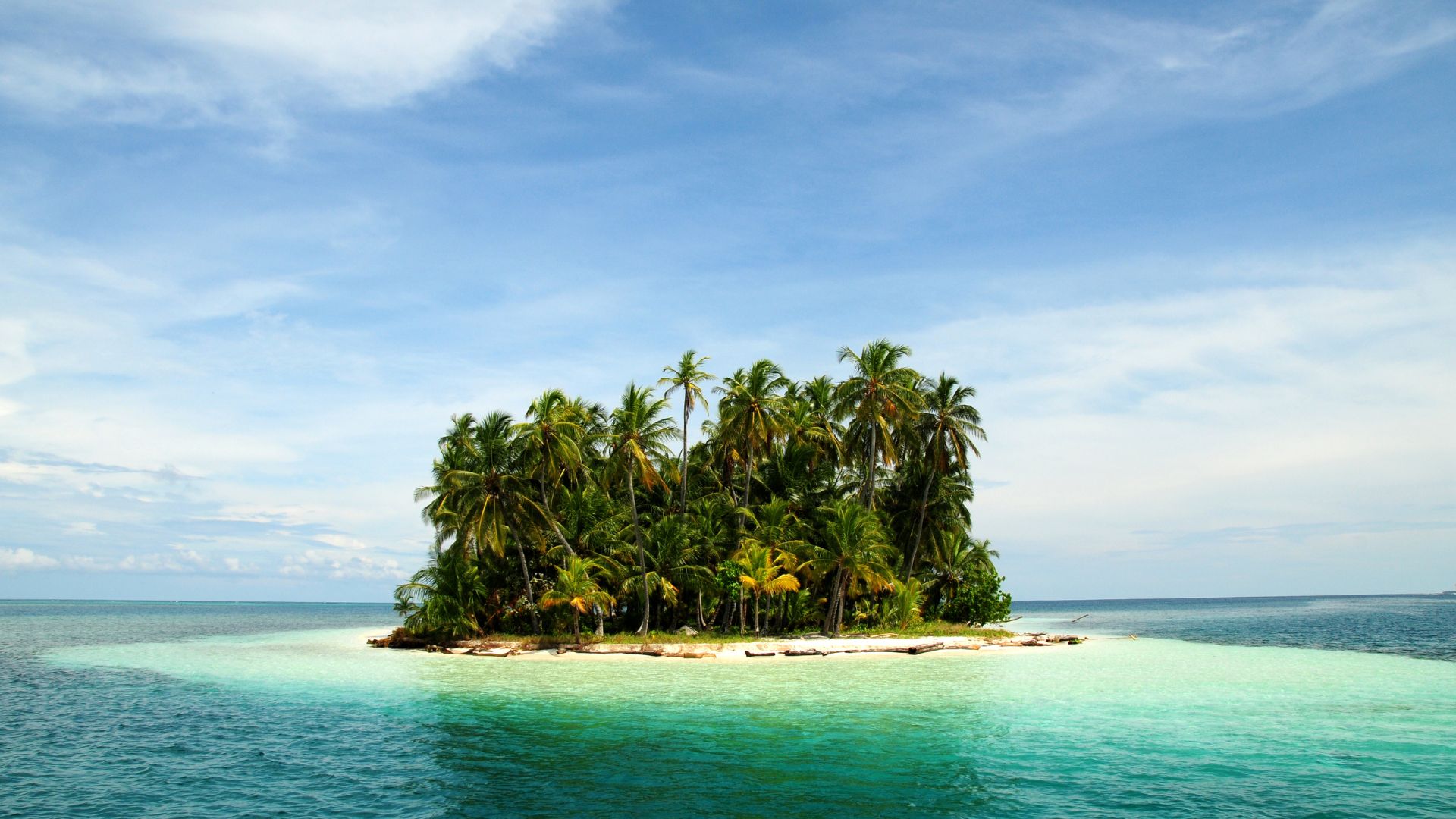
Panama’s accession also comes at a time when the country is reinforcing its leadership in ocean and environmental governance. At the Our Ocean Conference in 2022, Panama announced that its Marine Protected Areas would cover more than 54% of its national waters, which would make it the first Latin American country to protect over half of its marine territory, and significantly surpass the global 30x30 target well ahead of schedule. Panama currently has designated 46 Marine Protected Areas.
Beyond biodiversity protection, these marine areas play an important role as carbon sinks, contributing to Panama’s status as a carbon-negative country. In addition, Panama was among the first nations to ratify the Agreement on the Conservation and Sustainable Use of Marine Biological Diversity of Areas Beyond National Jurisdiction (BBNJ), further underlining its commitment to ocean sustainability.
With its accession to the IHO, Panama strengthens the Organization’s global reach while reinforcing the link between hydrography, safe navigation, environmental stewardship, and sustainable maritime development.



Share this page: